Memory Babe
Jack Kerouac and a writer's memory

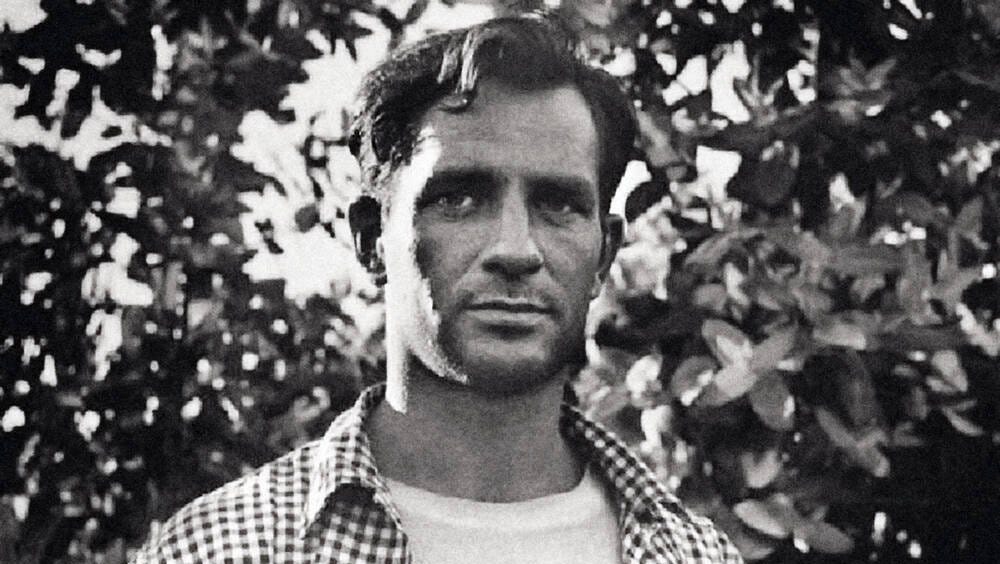
The American novelist Jack Kerouac, most famous for his novel On the Road, was also known for his incredible memory and from a young age was named “Memory Babe”.
Kerouac was intelligent and very curious. His inquisitiveness and restless pursuit of experience provided the grist for his writing. He was a prolific writer, grinding out books at high speed, trying to get down all of his experiences, conversations, feelings and insights.
His incredible memory meant he could recall whole conversations plus all sorts of other minutiae, even from his childhood, in fine detail. He was known for being a very fast and accurate typist and would stay up late on writing rampages — fuelled by drugs (notably benzedrine AKA “bennies”) and alcohol. Kerouac’s writing style has been likened to the fast, improvisational style of music that he dearly loved — Bebop Jazz.
His prose was breathless and breakneck — his sentences seemed endless and one paragraph could be many pages long. His style was not universally admired; Truman Capote famously said of it, “That’s not writing, it’s typing”. Nevertheless, Kerouac became celebrated in his lifetime. He is still well read, and well remembered, as the tortured character he was and, in spite of his autobiographical candour, something of an enigma.
Kerouac famously called his post WWII generation the “Beat Generation” — as in “beat down”. Culture makes people suffer, society makes people suffer, and ego makes people suffer. Jack Kerouac struggled with all of these things and in the end they beat him down. His various demons drove him to self-medicate in excess — he died at only 47 as a result of chronic alcohol abuse.
Even though he was self-destructive Jack was also self-creative through his writing, in the sense that he used his writing to make his memories add up to something meaningful. In a way this is what all writing is.
Writing as memory
Writers are generally known for their good memories; and, like Kerouac, other writers tend to be very curious and keen observers. Memory is a product of paying attention; what you experience with open eyes you are more likely to remember. By paying attention and trying to make sense of what you are experiencing you are then able, if you are so inclined, to express your individual vision. (One of Kerouac’s novels is called Visions of Cody. It has an introduction by Beat poet Allen Ginsberg entitled “The Visions of the Great Rememberer.”)
Memory Babe
Memory Babe is the title of an exhaustive 1983 biography of Kerouac. After being out of print for 20 years Memory Babe was republished in an expanded edition in 2023. The new edition includes information that has been uncovered since the first edition including more about Kerouac’s childhood and early development as well as his final years.
I have only read the first edition — when it first came out. In the 1980’s I was in love with Jack Kerouac’s writing which, along with prose fiction, also includes poetry, letters, journals as well as non-fiction about things like Buddhism and Travel.
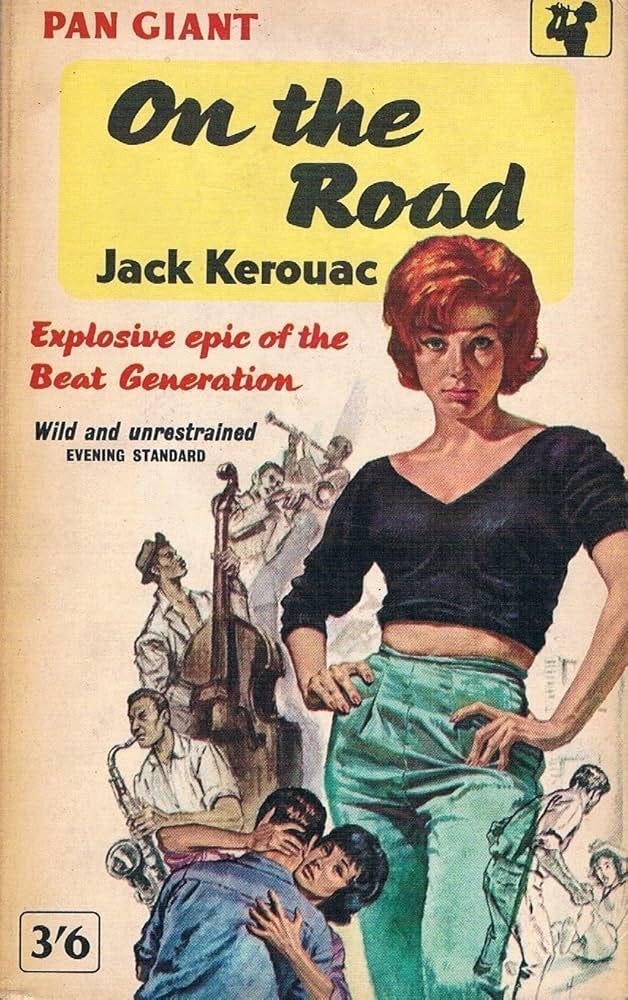
A few of his novels have been made into films over the years. On the Road was made into a film in 2012, featuring Sam Riley (as Sal Paradise, Kerouac’s alter-ego) and Garrett Hedlund (as Dean Moriarty, Neal Cassady’s alter-ego). This film was very watchable but, whilst encapsulating the story and the flavour of that time, did not capture the novel’s audacious verve
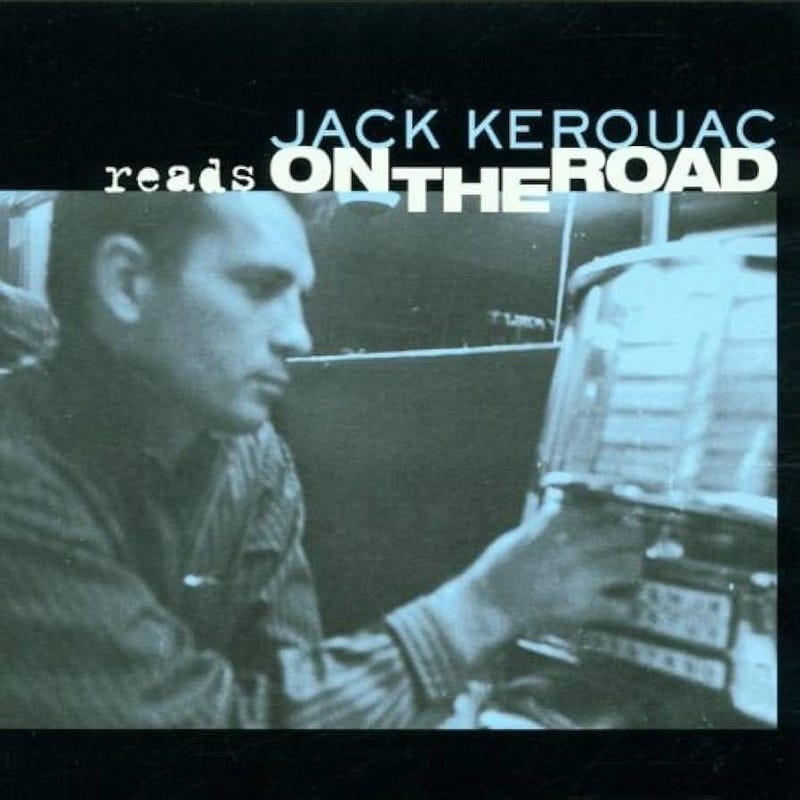
In addition to numerous interviews with Kerouac, there are recordings of him reading his work — both poetry and prose. There are also several documentaries about Kerouac and he features in biographical movies made about other people that he knew.
We are fortunate to have Kerouac’s writings. His memories brought together in his idiosyncratic vision has resonated with countless inquisitive and restless souls for many years and will do so for many years to come.